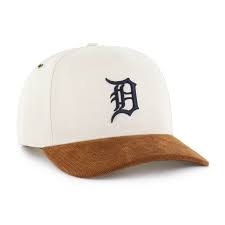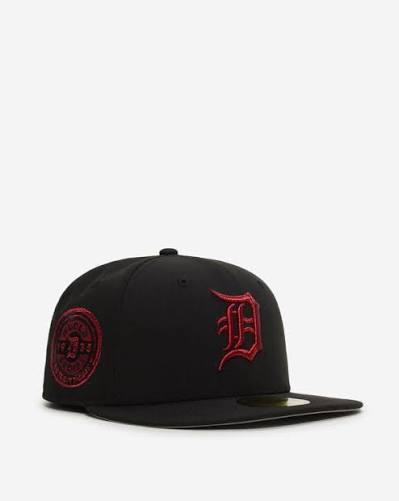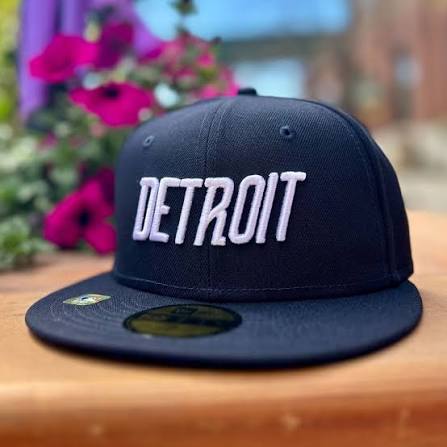
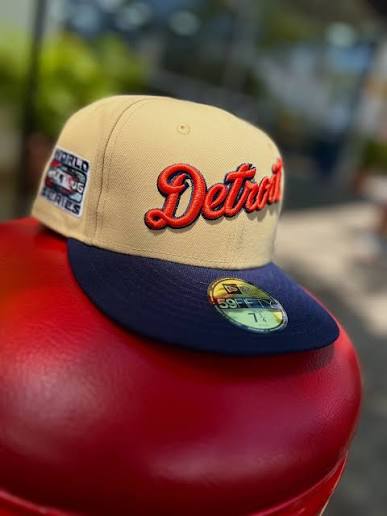
For Detroit Tigers fans, vintage baseball hats are a great way to bridge the gap between team history and personal style. Vintage caps may have different baseball fashion, materials, construction techniques, colors, and logos over the years. Some collectors look for early releases, others are interested in throwback releases, odd graphics or unique manufacturer labels. When you know the difference between each one, they can each give your collection character. When buying, read the details, investigate the design and scrutinize the condition. With a little thought, collecting can be a more enjoyable and organized activity.
Take a look at Vintage Detroit Tigers Hats
Vintage Detroit Tigers Hats can have various eras of the team’s visual legacy and so each design is interesting to collections. An older cap might have traditional Old English lettering, traditional color schemes or features of the cap construction that are different from the construction of modern caps. When a collector is deciding on a piece, they will not only need to look at the front logo. Inspect the stitching, sweatband, brim and closure, and look inside the crown and labels. These will give you a good idea of how old a hat is and if it’s suitable for the time period you’re interested in your collection.
Begin by using the classic logos
A hat’s logo can convey a lot of information about the hat, its era, and its appearance to the collector. Detroit Tigers headwear has featured prominent lettering and colour schemes throughout its history, offering collectors some clues to compare. Review the size and design of the front logo, letter spacing and typeface. There can be subtle differences between one release and another. When there are other patches or branding on a cap, consider the side and back as well. These visual characteristics enable collectors to identify designs which meet their collecting interests and historical period preferences.
Study hat construction details
When taking a look at an old baseball cap, construction is another valuable hint to examine. Thoroughly scrutinize the crown, brim, sweatband, inner label, stitching and closure. Some older caps may be made of materials and/or using techniques that are not commonly used with modern caps, making it easier for the collector to determine that the cap is original rather than a recent throwback. If possible, check for common stitching and labels. Although wear can enhance appearance and character, it can have severe effects on use and appearance if it is extensive enough. When looking into its background, you may want to take clear pictures from various angles to compare it with other caps.
Compare materials & fabrics
The appearance and preservation requirements may be affected by material. Older baseball caps can be made of wool, cotton, polyester, or a various mix of materials, and each can display various indications of wear over the years. Texture changes in wool or fading around the crown or brim on cotton are possible. If available, consult the inside label for fabric details. Examine the material thoroughly and search for any soft spots, discoloration, holes, or rips. Knowing the fabric is useful in selecting appropriate storage methods and avoiding cleaning techniques that might harm the hat’s original construction or information.
Recognize original vintage item
It is important to collectors to know the difference between collectible old caps and today’s caps who are imitating vintage designs. Throwback collections are often done by brands to pay tribute to the old logos, old colors, and old style of construction. These newer releases can appear to be dated using modern labels and production techniques. Before identifying a piece as vintage, examine the inner tags, stitching, closure, material and construction. Match the information with trusted reference photographs if at all possible. Photos of products might not show any difference, but a careful inspection can show differences. Understanding these differences will prevent confusion in your collection and will accurately record the items.
Look at labels and tags
When you do research on an older baseball cap, labels can offer a lot of information. Look for manufacturer branding, size markings, fabric details, country information and other embroidered and printed features on the inside of the hat. Make comparisons with examples from the same suspected period. Changes in the labels can also help identify the production era, but collectors should not use a single detail to identify an era. Compile label data along with the style, construction, material and closure type. The more clues you collect, the more the picture will start to clear up with respect to where a hat belongs in your collection.
Learn Common Wear Signs
There are a number of different signs of natural aging, and collectors should be aware of them before investing. Colors will fade in the sun and fabrics get softer with repeated use, and the shape of the crown can be altered. Sweat bands can become stained and brims can lose their shape with time. Loose stitching may be due to a high use rate, and surface dust can be attributed to long storage. Not all of the marks diminish the attractiveness of a cap. It’s all about knowing if the wear fits the hat’s age and if your touch of it won’t further harm it.
Before purchasing a home, get an assessment of the situation
The condition of a vintage cap can have a significant impact on its functionality and attractiveness. Before making your purchase, check for stains, fading, discoloration and weak fabric in the crown. Inspect the brim for signs of handling, warping or cracking. Check the sweatband as it is the first area to show sweat stains and deterioration. Check embroidery and patches for loose ends and missing pieces. While some signs of age can enhance wear and display, extreme damage could restrict wear and display choices. When fewer photos or descriptions are provided, request detailed photos from sellers.
Identify trustworthy buying sources
Some of the best places to look for older Tigers caps include vintage clothing shops, sports memorabilia stores, online markets, thrift stores, estate sales and collector communities. There is information about the product in each source but some sources are more informative than others, which is why research is still valuable. Request clear photos from sellers of front, back, inside, label, brim, and sweatband. Please read descriptions for size and condition information before purchase. If you are an experienced seller and have important information to give, do so; however, check facts independently if possible. Be patient and discover interesting pieces without rushing into an ill-chosen listing.
Don’t just buy the first house you view
Do a couple of comparisons to get the idea of the market for a certain style. Instead of just the asking price, you should check the condition, logo information, materials, labels, size, construction, and seller information. Photos and product information should supplement the “very old” description that a seller may provide for a throwback, as some sellers may define them as that. Make comparisons between similar examples from different sources and also identify commonalities. Include shipping costs and potential cleaning expenses when considering your budget. Careful comparison can help you ensure that you are purchasing items that will enhance your collection in a unique way.
Create a Concentrated Collection
Vintage Detroit Tigers Hats can be incorporated into a variety of collecting themes to suit your preferred interest. Some collectors might be interested in early designs, or some may be interested in the unusual logos, special patches, rare color combinations or specific manufacturers. Select the direction of the collection before investing too heavily in it so that it has direction. Record details of each acquisition (design, approximate date, condition, seller and price). Taking photos can be a way of capturing key information as well. The focused approach facilitates the collection to be organized and provide a rationale for adding each new item.
Retro Inspired Releases is a label that produces records
Retro releases can also provide an alternative to classic Tigers style, but without the physical requirement for some old gear. These hats could be faithful reproductions of old lettering, traditional colors or classic graphics produced in modern-day techniques. Collectors may store these items in a manner to separate them from the authentic vintage items for easy record keeping. The retro releases are still valuable for fans who appreciate the aesthetics and are looking to have some fun with games or casual wear. The difference between vintage and retro-inspired items will help you to value and understand each without mixing them up.
Take care that your hats are not lost
Storage is an important aspect to preserve older caps from unnecessary damage. Do not place in direct sunlight, in high humidity or in the path of strong heat. Keep structured hats in protected areas from being crushed by heavy objects or bent by the brim. Supportive shelves and boxes (for suitable materials and conditions) or protective containers can be used. Do not roll sensitive materials for extended periods of time. Use clean hands to handle older caps, if possible, especially when the material becomes weak. Regular storage can help keep the colors, the stitching, labels and shape intact.
Take care to scrub older caps carefully
When cleaning old hats, it’s important to be patient as older materials can give different responses to water, detergent and heat. Inspect the fabric and decoration before cleaning any way. Use a soft brush or cloth to brush any loose dust off, and don’t rub too hard around embroidery or patches. Try any kind of gentle method in a small, hidden space when appropriate. You might need professional assistance to clean some of the breakable items prior to deeper cleaning. Don’t presume that all caps should be treated in the same way. Careful cleaning practices can help preserve the original appearance and minimize the potential for accidental damage.
Style Vintage Caps Today
For collectors, older caps can be kept out of the frame by utilising them in casual wear. For a classic baseball look, wear a plain T-shirt, straight-leg jeans, casual sneakers or a lightweight jacket with a basic Tigers cap. With unique colours or lettering, let the hat give the most prominent visual detail. Do not use too many graphics as they may detract from the vintage style. This will let the collectors enjoy their pieces without compromising on comfort. Collecting “with” caps can bring the story of each cap to life.
Arrange your Collector Records in a tidy manner
As collections mature, good records will enhance them. When you add a hat to the list, write down the design of the hat, the estimated time period, the manufacturer, the size, the condition, the source of the purchase, and the price of the hat. Capture images of labels, embroidery, patches, and anything unusual in the construction. Records may be organized chronologically, by style, manufacturer or date of acquisition, as desired. You can do this in an easy-to-use spreadsheet or a notebook. Sorting information will enable you to compare similar hats and retain information that is crucial when you still need to look for other hats.
To grow collections sensibly
The collection should not be driven by a desire to acquire more caps but rather be a goal-oriented effort. Know the team’s visual history, investigate logos, construction and compare the condition prior to purchasing. Vintage Detroit Tigers Hats can have a number of options, such as classic lettering, early design, unusual patches and retro releases. Separate mod-nerd old items from olds that are still old in the library, and put everything away properly after use. An intentional group of items can be both interesting and meaningful. These well-chosen baseball caps are each a little piece of your baseball collection story.