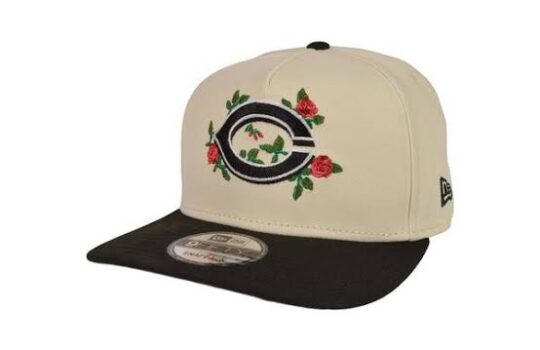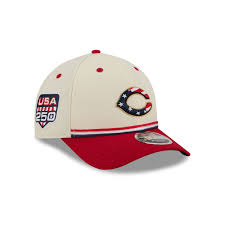
Baseball collectibles have the ability to tell stories that regular clothes cannot. A vintage hat could represent a specific period of time, design style, logo or memorable event of team history. For the Cincinnati Reds fan who has a passion for collecting, there are a number of styles to choose from while also enhancing their personal connection with the sport. Older caps can also give a collection a sense of history, as each design has its own distinct look. From basic logos to traditional hues and unique construction, knowing what makes outgrown hats cool can aid you in your collection with self-assurance and intent.
Why Vintage Hats Matter
Vintage baseball hats are popular for people to collect because they not only represent a tradition of sports history but also serve as a fashion statement and a reminder of special moments. Looks, colors, materials and construction techniques used in older versions may differ from newer versions. Even with simple designs these details can make a hat stand out. It may also be interesting to collectors to know the background of a specific time or style. Don’t see an older hat as a regular baseball hat outfit, consider it as a small slice of baseball culture. This lens can help to make collecting fun.
Examine vintage team logos
When looking at an older hat, check the team logos as they are useful clues. The Cincinnati Reds has seen its logo evolve over time, making it possible for collectors to find unique styles throughout the years. Take note of lettering, emblem shape, embroidery and logo placement. There are times when minute variations bring significant changes in a whole. If possible, make comparisons with logos of the same time period. Other official team photos or trusted collecting sources can be used to provide more context. By knowing what logos look like when they change, you’ll be better equipped to identify designs that are worth considering.
Please note older construction details
There’s a lot to be learned from the construction of an older baseball hat. Inspect stitching, fabric, sweatband, inner labels, brim and closure. Older caps may feature materials or production techniques that vary from current mass market. These are characteristics that are important to a collector to consider rather than the logo itself. Inspect for uniformity of stitching and aging on the inside. This information will help you to determine how the hat came about and if it is a hat appropriate for the period of its design.
Check out these vintage Cincinnati Reds Hats
Vintage Cincinnati Reds Hats can be used to add depth to a baseball collection due to the difference in design and detail that can be found in the various eras. When looking at an older cap, collectors should pay more attention to than color. Inspect the logo, build, inside labelling, the closure and the condition. Even a plain-ish hat can be a collector’s item due to its age or design history. It is also possible to create a theme around specific eras, logo variations or styles. The result is that your collection is easier to manage, each piece will have a designated spot, and it will be easier to organize.
Compare several different eras of design
It can be interesting to compare the designs of different times. First look for differences in the logos, colors, crown shape, and brims that are visible. Some caps have simple graphics or panels, while others have more prominent graphics or panels. Be aware of the change of overall shape over time too. You can help structure what you find with creating a simple timeline. It’s not a time for experts to know. Frequent comparison will help you to develop greater skills to identify design elements and see why some styles are worth collecting.
Search for distinctive features
One hat can stand out from the rest with unique details. Try to find unusual colors, embroidered details, special patches, inside tags or unusual closures. Small designs can also draw attention as they are not as common as retail designs. But simply because it is rare, you shouldn’t be interested. Choose pieces that fit your collecting goals and appeal to your personal taste. Keeping these on hand in notes or a photo can also aid in remembering where each hat has been acquired and why you selected it.
Handle the hat condition care with care
When assessing vintage hats, it is important to take into account the condition of the hat. Remember, there are times when an older hat will have signs of usage, but when it comes to age, collectors should be able to distinguish between the acceptable and serious damage. Look for stains, fading, rips, loose threads, and any odd smells in the fabric. Use a brim gauge to check for warping and for wear to look into the inside of the brim. Some wear and tear can make a hat look cute, particularly when it enhances the vintage feel. However, if damage occurs, it can impact the ease of display and wear of the piece.
Check fabric and stitching for problems
Attention should be paid to the fabric and to stitching in any inspection. Inspect the panels for signs of discoloration, thinning material, or damaged areas. Check embroidered logos for any loose threads or missing parts. Good, tight stitching is a good sign of construction but not necessarily age or authenticity. Don’t form conclusions based on an “either/or” basis. Use multiple observations to make a conclusion about a hat. It can minimize errors and assist you construct a collection that you really appreciate.
Examine Interior Labels
The interior labels can give valuable information regarding the origin and the manner in which a hat is made. See if there are any printing on it, such as brand names, sizing, material or manufacturing marks, etc. When you have questions about any particular design compare these details to reliable references. Be aware that labels may change during different periods of production, with one feature not necessarily providing the full picture. Review the label along with the construction, fabric and closure, and look at the label with the logo. A full review provides you with a better basis for understanding the hat, rather than assuming.
Understand Authenticity Clues
Authenticity should be taken with a grain of patience and scrutiny by collectors. Older items, modern reproductions, custom hats and items with unknown histories can all be vintage. Look for more than one feature first rather than a logo or label. Use images as reference to compare to the hat and inspect construction details closely. When buying something that has a large price tag, seek advice from an expert or collector. Don’t rush the process as the dramatic story or the rare looking design can make the process exciting. Good research helps you make choices on the basis of information and not on assumption.
To compare the Reliable Reference Images
If you need to find the differences in design, reference images may be helpful. Look for a good example of hats with front, back, inside and side panels. Make comparisons of proportions, embroidery, labels, brim shape, and color combinations of logos. Aim to use more than one photo, rather than relying on one image. If the text is similar across a few different sources, it can give more context. Take notes on what you see to be able to identify patterns later. With time, creating a collection of visual references can be one of the most useful tools in your collecting process.
Ask Experienced Collectors
Some collectors have more experience than others and can offer a valuable perspective that photographs can’t convey. Participate in baseball collecting groups, attend baseball memorabilia events or consult with individuals who specialize in vintage caps. Ask targeted questions on construction, labels, design periods and common reproduction styles. Don’t let others’ opinions be “the gospel” for an item, particularly when the history is not known. Rather, take other angles to help further research. Talking to informed collectors can also teach you about interesting collector pieces, resources and collecting techniques you might not come across when browsing.
Create a targeted collection
It’s great to have a focus collection rather than a multitude of unrelated hats. Before you purchase, determine what interests you the most. You may assemble certain logo eras, certain colors, older logo designs, or caps associated with historic baseball eras. Themes also help you to control your storage space and budget. When something really captures your interest, you can add unforeseen pieces. The secret is to make a collection that reflects your interests instead of just collecting all the vintage caps you can.
Select a theme for your collection
A theme provides direction to your collection. Some have specialized areas of collection such as certain decades, logo styles, or manufacturers. Hats could be collected that have different methods of construction or designs that would represent key eras in team history. Consider what type of information you like to find and showcase. Having a strong theme can help make future purchases easier due to the ease you’ll have when determining if a hat fits in with your goals. It also provides visitors with an easy way to get a sense of what’s in your collections, and why.
Establish a realistic budget
You can make your spending more manageable by setting a reasonable budget. The price of vintage hats also depends on the condition, rarity, design, and demand. Don’t expect that any high-priced piece has more collectible value. Do some research on similar-hats and see if you’re interested in the hat itself. A budget can also help you to wait for a better deal, since you won’t rush into buying something. Regular research and thoughtful purchases can lead to a collection without the pressure of spending money.
Create a vintage display
Vintage hats can be a part of your home decor when displayed. Select a location that will keep the pieces away from excessive sunlight, moisture, dust and heat. Colors will fade over time in direct sunlight, and fabric and shape can be damaged by poor storage. Use hat organizers, shelves, or display boxes that can be used to support the crown of the hat, but not put under any pressure on the brim. Have each piece easily accessible for regular checking. Good display practice can help you retain the visual integrity of your collection.
Protect Hats From Damage
When it comes to vintage caps, whether you’re wearing them or storing them, protection is important. Avoid placing hats over wet surfaces and heavy items on hats. Handle with clean hands when working with finicky items, particularly old cloth. In case of stains or damages, try to find out the appropriate cleaning procedure and do not use any product without first investigating. Do not use harsh cleaning methods as these can be detrimental to older items and embroidery. Collectible hats can be kept in good condition for years with careful handling, minimizing the wear and tear that would otherwise occur.
Create a hat collection based on time periods
Ordering hats by age makes them more easily understood and enjoyable. These may be arranged by logo, color, brand or construction. Include small notes with information about the acquisition, design features, and existing background notes. One easy way to avoid multiple purchases is to keep a catalog in order to keep track of what you have. Organization also makes research on the design easier, as similar designs are compared side-by-side. Your catalog can be a great resource to your collection over time.
Find Vintage Cincinnati Reds Hats
With careful selection, Vintage Cincinnati Reds Hats can be an enjoyable addition to any baseball collection. Visit trusted vintage shops, memorabilia events, collector groups, and trusted online marketplaces. When purchasing an online photo, be sure to review it carefully, particularly if the seller does not have much information. If required, request more pictures, and assess what is happening with the item truthfully. Don’t rush through the process of comparing options. A collector doesn’t have to buy all the interesting hats. Choose pieces that fit your theme, budget and appreciation of baseball history.
Research Before Buying
Doing research first should precede any major purchase. Read about the design phase, the features of the logo, materials used and typical variations of the hat. Make comparisons to multiple examples and identify commonalities. If the seller offers a history of the item, use it as a starting point and not as final proof. When enough information is not available, ask questions regarding condition and origin. Preparation will help you to understand what you are thinking about, and make it more unlikely that you will make a hasty decision that is based on appearance alone.
To preserve records of purchase
Records can enhance collection management in the long term. Record the date of purchase, the seller, the price, the condition, and the design information as well as any background information available. Have clear pictures taken of each hat from different perspectives. These records can assist you in keeping track of your collection and comparing similar pieces later. They can also help you recall your buying decision more easily. If you accumulate a lot of pieces, there is no need to get confused in an unnecessary way, as a simple digital spreadsheet can give you an organized overview and manage your pieces without any unnecessary confusion.
Final Thoughts For Collectors
Vintage baseball caps are more than just team logos. They link design, sport culture, personal memories and collecting interests in one handy piece of memorabilia. Using logos, construction, materials, labels and overall condition, fans can learn about the various eras of Cincinnati Reds history. Not every collection has the most hats! Rather, it has pieces with meaning and a definite collecting goal. Spend time, do some digging, preserve your favourite caps and enjoy learning new stories about each vintage cap!