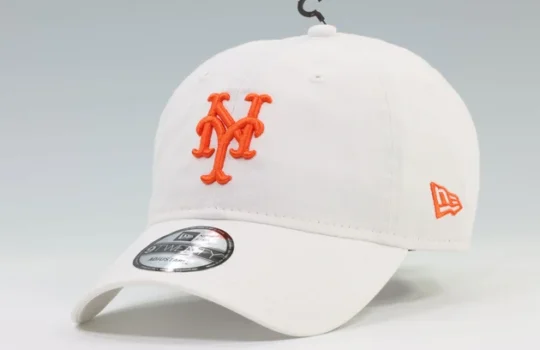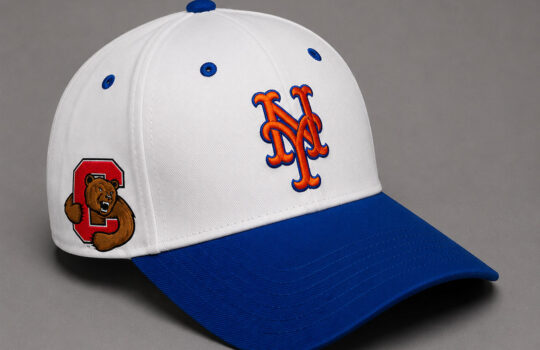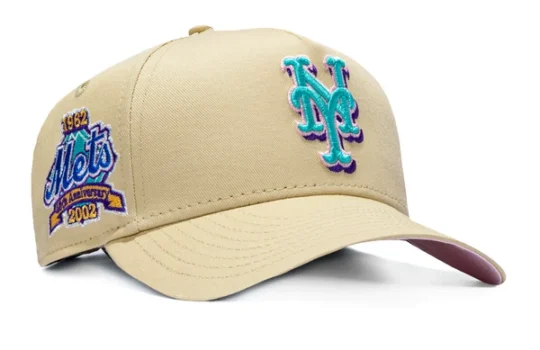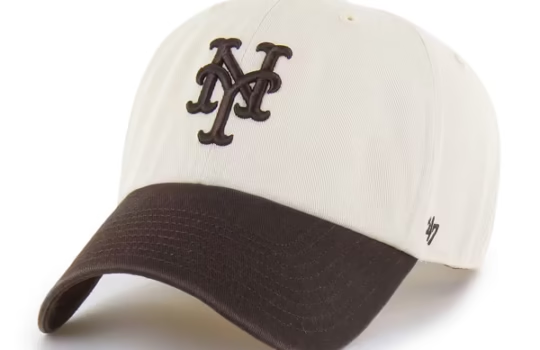

Collectors like baseball give attention to vintage items as they provide stories, memories and distinct visual aspects not found in more recent baseball items. Vintage New York Mets hats can bridge the gap between fans and iconic seasons, iconic logos, and evolving styles of teams. A collector will typically like a small variance in embroidery, colors, material and branding as it enables him/her to be able to date the item and determine its character. A vintage item can also give your big baseball library a character. Rather than just putting a cap on display, collectors can now keep a little piece of Mets history by carefully choosing their displays.
Classic Logos Stand Out
Throughout its history, the New York Mets have featured familiar logos and palettes, providing collectors with a wealth of visual information. Older caps might have designs that vary from those found in the retail versions, making them appealing to fans who prefer classic baseball style. The combination of orange, blue and white is powerful and effective through the different eras. It is a collector’s good practice to look at the shape of the logo, the stitching, the lettering and the position of the logo. All of this information may assist in differentiating a true older model from a more contemporary item that has a retro look.
Materials Add Character
Old baseball caps may exhibit other construction methods than newer baseball caps. When examining items from different eras, collectors can spot some heavier fabrics, traditional stitching, older sweatbands and various brim shapes. It is important for a collector to find a balance in the wear of an item and not rule out any wear just because of it. Damage is not always bad, as light fading or slight softness can enhance collecting interest and/or usability, but severe damage can diminish both.
Vintage New York Mets Hats
These collectors can look for logos, color layouts, manufacturer labels and the entire construction to compare other eras. Every era could have something different: a simple traditional embroidery or a more detailed design. Searching from one period of history that is familiar to them can help make it easier and fun. This way, they can create a collection that is more meaningful and not just a collection of random items.
To compare fitted and adjustable
Older caps may be fitted, have laces or velcro straps, or have snaps. Fitted versions are popular among fans of old fashioned baseball caps, and adjustable styles provide versatility. If buying an older item, look at the inside label and dimensions rather than size. Some manufacturers may make slightly different fits. The collectors who are aware of these differences can make better decisions and love to wear their favourite pieces.
Look Beyond Common Styles
Lots of attention is given to popular designs, but less common designs can add interest to a collection. Alternatively, collectors can find other color schemes, discount versions, rare manufacturer labels and design links with certain eras. Some studies can provide clues as to why a specific cap is different from standard releases. Don’t just look at what something is worth based on its looks, but look at what the story is behind the item. A design that is not as glamorous might have more historical value than a popular design. Patience is also a key element as some interesting finds may take longer to find than typical team items.
Build A Strong Collection
A good collection should not be a trendy collection, but should be based on the interests of the collector. Pick designs that instantly evoke your love for Mets baseball, classic logos or vintage fashion. You may start from one cap of your favourite era and slowly choose to add other items to the outfit. This approach helps to manage costs without compromising the direction of the collection. An item can also be more fun than the one that is supposedly valuable but of no interest to you, because of its personal meaning. The excitement of searching for the art should match that of the finished product.
Check Condition Carefully
Look for any bending at the bottom edge of the brim, stains on the crown, and any issues with the stitches around the logo. Check for any sweat stains, rips, loose threads, or missing labels inside. Just a bit of wear and tear can add character, but if there’s a lot of wear, it might need costly restoration. If a seller is willing to send photographs, ask for clear photos of the front, back, interior, label, and brim. Detailed inspection enables you to know exactly what you are going to buy before committing yourself to the purchase.
Check Labels And Details
The age, style and authenticity of an object can be deduced from the manufacturers label. Before anyone purchases an expensive item, it is wise to compare labels, embroidery, stitching patterns and logo proportion to reliable references. So when purchasing a house, the purchaser must be careful and consider several details rather than relying on the listing title. Research also enables collectors to identify forgeries and to make fewer mistakes. The more you know about the older designs, the more you will be able to spot any unusual details in them.
Styling Classic Mets Caps
Collectors need not have all the caps in a case. The classic Mets designs can seamlessly blend into everyday outfits by making careful choices in the rest of the ensemble. For a casual baseball-themed look, wear a traditional baseball cap, a basic tee shirt, jeans, and basic sneakers. For a cap with a strong logo or colorful design, choose simple fashion to ensure the design stands out. This will help the hat stand out and not the entire ensemble, which can feel too “on-brand” as a whole.
Create retro streetwear ensembles
Outfits with a retro style can emphasize the look of vintage baseball gear. Consider wearing a simple cap with a casual sweatshirt, straight-legged denims and fresh sneakers. Orange and blue elements can stand out from the rest with neutral pieces. Layering can also help create depth to the outfit during colder seasons. Those who like streetwear styles can try oversized t-shirts or vintage style jackets in a balanced cut. The aim is to integrate the cap into the garment, always in a natural way but not necessarily always matching it.
Do not match colors without taking the time to be sure about them
A simple classic cap with a sense of color coordination can look more elegant. Orange and blue make a great pairing, so neutral items like white, gray, navy, black or denim will balance the look. Or you can repeat one small cap color elsewhere in the outfit with sneakers, socks or with a subtle accessory. Instead, use the cap as the base and create from the best color on the cap. However, simple coordination typically produces a more natural and comfortable look.
Caring For Collector Caps
Older caps can be protected from needless damage by proper storage. Avoid direct sunlight, excessive moisture and dusty areas. A dry place that is cool will help preserve the quality of the fabric and will minimize the fading of the fabric. Do not stack heavy objects on top as the crown or brim could be permanently distorted. Display shelves can be a great solution for displaying your collection, and protective boxes can provide better protection for valuable items.
Using methods that are not harsh, clean
Older garments should be handled with care since cleaning with too much force can damage fibers, damage the embroidery, or cause colour changes. First, use a soft brush or clean cloth to remove loose dust. Use a light cleaning procedure with small marks and test on an unseen area before cleaning an entire cap. Never use strong chemicals that will harm old materials. Avoid forcing drying with excessive heat as this can have an impact on shape and fabric. With gentle care, collectors are able to preserve the original character and minimize the possibility of damaging the object during routine cleaning.
Protect Long-Term Condition
Maintenance is needed on a regular basis to ensure long term preservation – not just large cleanings when they are needed. Check regularly for moisture, stains, loose stitching or changes in fabrics. Turn around displayed pieces when light from the sun touches the storage area and store valuable caps away from wet areas. If a cap will need professional restoration, find out more about the professional before entrusting anyone with your cap. Repairs that are not done correctly can remove original features and diminish the collectibility. The principles of good preservation are the preservation of authenticity, structure and visual character, all of which enable a piece to be enjoyed for many years.
Growing Your Collector Journey
Research builds the confidence of the collector and provides him/her with an understanding of what makes a cap interesting. Research team logos, changes in manufacturers, eras of design and typical variations before investing more in rare items. Read and discuss a few listings and look closely at pictures. Useful information can be found on online collector communities, baseball history websites, auction records, and the references of experts. Make a note of any designs which you are interested in and prices that you see in your search. This can lead to being able to identify good listings over the years and to not be fooled by listings claiming rarity or historical significance when that is not really true.
Select meaningful content over multiple content
It is not the case that a larger collection equals a better collection. Chosen wisely and strategically, a handful of truly special caps will give more personality and historical value than a dozen random buys. Pay attention to design styles from various time periods, styles that stand out, or designs that are favorites. Alternatively, a theme could be around fitted caps, strange logos, brand-specific or classic color combinations. The strategy ensures that each new addition has a function. As you become more knowledgeable, you can trim the fat on the collection and add to it with better selections that will have more value and more fun.
Enjoy The Search
It’s best to collect in a way that is fun. It can be difficult to locate a used Mets cap, particularly one that is in great condition or features unusual design. Avoid being pressured just because a particular seller is claiming that an item is rare. Compare details, ask questions, look at pictures and think about whether it’s actually a good fit for the collection. The best finds are often made by chance, whether at local boutiques, vintage fairs, auctions, or through listings on the Internet or the collector community. Each discovery will yield another lesson in baseball history and another unique addition to your personal collection of baseball history.