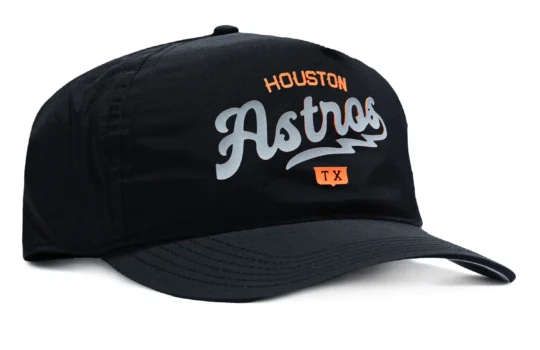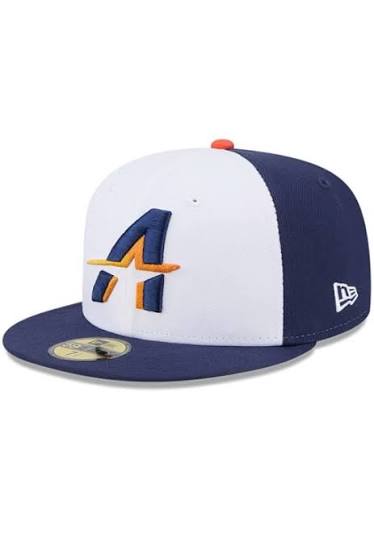
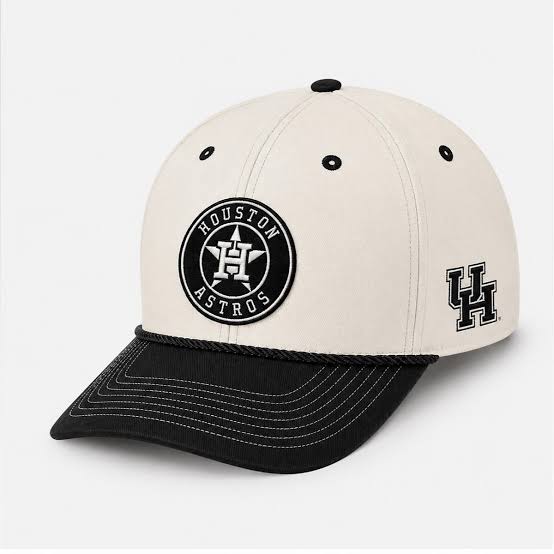
There’s more to vintage baseball hats than just a team logo. They may be of different eras, design trends, memorable seasons, or changes in baseball fashion. From the traditional color schemes to the more out there logos and retro touches, the Houston Astros fans see decades of unique caps. Collectors tend to be more interested in the age, condition, authenticity, rarity and historical value than in the appearance. Selecting a vintage cap that is well-suited to the collection can help create a sense of history and continuity, while also providing fans with a glimpse into the team’s past. Knowing these facts will make old hat collecting more fun.
Vintage Houston Astros Hats Guide
Houston Astros hats are available for many different time periods and each has its own look. Some logos, colors, shapes on older designs may not be the same as those found on newer designs. Some collectors collect a decade, others collect from a particular decade or collect items with unusual designs or designs that are familiar from history. Excessive use is also a significant factor as it can impact on fabric, embroidery, sweatbands and brims. Before adding a vintage cap to your collection, learn about its design period and construction. This information will be useful in determining collectibles choices.
Early Team Designs Are Investigated
Those interested in the team’s visual evolution will find the early Astros designs interesting starting points. The franchise’s early years were characterised by the use of distinctive colours and graphics, which helped to create a sense of identity. Older time caps may display designs that are very different from what is available today. These differences are features collectors may look for because they reveal fashion changes in baseball. If you are considering an older cap, check for the logo, crown, brim, stitching and inside features. The features can help give some indication of the period and construction.
You Can Also Identify Classic Logo Styles
A good logo design can assist the collectors to identify the different periods of the history of the Astros. Some older caps might have designs that aren’t the same as what you’re used to today, providing each of these with a unique look. When looking at a cap, make sure to consider lettering, symbols, embroidery style and color combinations. Sometimes it is enough to change it up a bit in the logo design to distinguish one era from the next. It is also important to collectors to compare the logo to credible historical images before committing to an assumption. Knowing these visual elements makes the collecting more interesting and more enjoyable and gives one an appreciation of the evolution of team branding.
Students Will Investigate Different Color Schemes
Vintage Astros hats are typically known by their colors. Various eras brought on various ways to team colors to make designs that will be easily recognized by collectors if they know the history. Some caps are daring with the color combinations, others are subtle. Color can also impact the overall condition as the color can fade over time and affect the overall appearance. When checking the colours of the cap, compare with known examples. While natural aging can add character, collectors need to be able to tell the difference between natural aging and artificial changes before adding one to their collection.
Understanding Vintage Hat Eras
The design of the cap can tell a story for each era. Logos, materials, methods of manufacture and baseball fashion changes can be used to help organize a collection chronologically. A collector may choose to collect one era or slowly add to their collection over a number of decades. Caps are still useful for research purposes as they may have similar appearances from different periods of production. Examine the logo, tag, stitching and fabric and the general form as a whole, not just one of the elements. This method can help to better understand the fit of a specific cap within the Astros’ history.
Exploring Retro Design Periods
Many collectors enjoy retro styles because they can evoke visual imagery from a different time. These caps may have unique graphics, bright colour schemes or building features which are uncommon amongst contemporary manufacturers. Retro items can also be suited for casual wear and are a representation of baseball history, so fans may opt for them. For periods, look at a range of examples, rather than evaluate one cap by itself. Observe the change of the following parts over time: the crown, brim, logo and the interior label. These comparisons can be useful for identifying patterns and a more in-depth understanding of vintage Astros merchandise.
Identifying Older Construction
If you’re looking at an older cap, read the details to see what you can glean from them. Check for the number of panels, stitching patterns, sweatband, brim material, closure and in or on the interior labeling. The manufacturing processes for older caps could be different from those used for newer caps. The shape of the crown can also be used to date the various periods. Don’t just look for the logo, but the unusual details too. There are a few different construction aspects that can give you a better idea of how old the cap is. Attention to detail can help you make a better collecting choice.
Comparing Different Decades
You can see how Astros caps evolved over the years by making comparisons. Begin by looking at the overall shape, then logos, colors, materials and closures. You’ll see that one period is for formal styling and the other is for less formal styling. In addition, there is often a change in color palette from one time period to another. These differences can be easier to grasp if you make a timeline of your collection. Caps can be sorted by decade, design era or logo design. This approach will provide you with a structure to your collection while helping you recognize the gaps.
Check The Condition Of The Vintage Hat
Condition is a vital aspect for collecting vintage hats. It doesn’t matter when a cap was made – its value is determined by the wearer. Look at the fabric, embroidery, sweatband, brim, closure and inside before buying. Minor stains, tears or structural damage can diminish functionality and usability; minor marks can enhance it. When buying vintage caps, collectors will have to choose between display pieces and wearable hats as each has its own set of requirements for conditions. If the collector is a display type, he or she might overlook some signs of aging, but if the collector is intending to wear the cap, he or she might want to get stronger build.
Examining Fabric And Stitching
Make sure to inspect the fabric and stitching all over the cap first. Check for holes, tears, mends, odd mending, discoloration, and loose thread. Check the seams around the crown since poor seams may cause problems to the structure of the hat. Pay special attention to the brim as well since bending or cracking can alter the appearance of the cap. Any little flaws are not a deal breaker when it comes to a collection of vintage hats. Rather, look for the general appearance and if the imperfections are consistent with normal aging. By taking great care while looking, you can know what you are purchasing.
The Checking And Embroidery Were Then Reversed
The logo is a key element to take note of, as it can be the most memorable aspect of a vintage hat. Check for loose threads, uneven stitching, fading, or strange spacing in the embroidery. When available, make comparisons with other known or historical images or logos. There is some good old fashioned embroidery that can be a bit “old” but remain well formed. Don’t just judge by the look as older designs can be reproduced. Before making a decision on a piece, look at multiple factors such as construction, tags, materials and placement of logos.
Inspecting Interior Labels
Interior labels offer valuable details regarding manufacturing, sizing, materials, and branding. Older caps may have labels that are completely different from what is on present merchandise. Inspect stitching of the label and examine for any signs of replacement/alteration. Not all missing labels make a cap uninteresting – however it makes it harder to identify the cap. When searching for an unknown item, snap pictures of the inside of the item. By comparing these facts to documented examples, you can gain deeper insight into the history of the cap and its role in Astros’ overall history of Astros merchandise.
Creating A Vintage Collection
It is not necessary to have a dozen hats in a strong collection. Rather, concentrate on items that fascinate you and portray the various aspects of Astros history. Consider caps from other design eras, highly distinctive logo designs, or iconic graphic patterns. Before you begin collecting, have a definite goal in mind. Some collectors like chronological collections; others like to collect logos or colours. Having your collection organized can also help you determine whether you already have material in your collection for certain time periods or not. It’s easier to have fun collecting and avoid buying more when you are thoughtful.
Choosing Meaningful Designs
Pick pieces that make a good sense to be in your design. A cap may be appealing due to the logo, the color scheme, the construction, or the era that it is from. Collecting can be more rewarding than looking for the oldest item if you collect for your own interest. Think about the different things each piece adds. When two caps are similar (and you have a choice) you might want to choose the one that is in better condition or has more historical significance. A collection should be based on what interests you and should have a theme or story to it; it should not be just as many pieces as you can get.
Setting Collection Priorities
Prioritizing may make it easier to manage your collection and budget. Choose a specific decade, logo period, cap style or color scheme. Look for common examples to do research before buying to identify design that aligns with the desired outcomes. Maintain records of information on design and condition of pieces owned. This straightforward system can help you avoid duplicate purchases. It can also help you to find a particular design later on. Prioritized collections increase the organization and purpose in collecting.
Organizing Hats Carefully
When you organize your collection, each item is easier to check and is protected. Keep hats in a clean and dry place out of excess moisture, heat and sunlight. Do not stack heavy materials on top of structured caps as crown can be distorted by pressure. You can sort your collection by time, logo, colour or by personal significance. Make notes on where and when you obtained each piece. As you add to your collection, documentation provides valuable context and is a valuable aid to your memory of important details about individual hats.
When It Comes To Vintage Items
When it comes to collecting older sports merchandise, there are some things to consider when it comes to authenticity. Sometimes it is difficult to tell the difference between vintage reproduction caps or styles, so a collector should check out a number of different aspects before buying one. Make comparisons to a reliable example with respect to the logo, materials, tags, construction, stitching and overall shape. Seek sellers to supply clear photos if they do not accompanied with the house listing. Don’t buy based on the word “rare” or “original. Information supplied from research trumps marketing verbiage. With careful purchasing, you will be able to create a collection based on items that you really want.
Researching Before Buying
Before buying any vintage caps that aren’t in your bag, research them first. Search for vintage photos, old product illustrations, collector comments and product descriptions. Compare between multiple examples of the same time period to be able to identify variations that are typical. Note common materials, logos, labels and construction techniques. When seller gives little information, seek specific details regarding the origins and condition of the cap. Research also allows you to understand realistically priced without needing to use the one listing. The more you know about vintage designs, the more you will be able to identify the interesting one.
Comparing Seller Information
Seller description can be helpful, but you need to confirm details like other seller claims directly. Carefully read the entire listing and check all the pictures available. Search for the width, state of wear and tear, place of origin and repairs or changes. If the seller does not clearly display the interior label, stitching or logo, ask for more pictures. Use information to make comparisons with examples from the same time period. If a seller is transparent, he should give you enough information to know the condition of the item. When making collecting decisions, you can avoid using incomplete descriptions by making careful comparisons.
To Avoid Common Mistakes In Buying
The mind of the collector can play a trick on him if he gets only interested in the age and appearance. A vintage hat isn’t necessarily a good addition to a collection. Similarly, a pretty version may not have the historic feel you desire. Inspect the vessel or boat before buying, including condition, authenticity, construction and seller information. Don’t rush with a listing that states that it is very rare or in short supply. Research new designs if necessary. With a patient approach you will have more time to find out what you are purchasing and if the item is really the right fit for your collection.
Houston Astros Vintage Hats
It can be a fun way to discover some of the history of baseball design by compiling a vintage Astros collection. Take a closer look at caps that stand out for some reason, whether for an unusual logo, distinctive colors, older construction or a memorable design period. Look at each piece and record important facts about the piece, where it came from and how it is doing. You needn’t buy all the old designs that you see. Rather, create a collection of items that are of your interest. You will be building up knowledge over time and be able to identify interesting caps and appreciate some historical context.
Displaying Special Collection Pieces
Vintage cap display methods can be used to preserve vintage caps while enjoying their designs. Select an area that is clean and out of direct sunlight, out of excess moisture and out of strong heat. Appropriate display shelves or individual stands can help keep the crown shape. Don’t stack valuables on top of other heavy items. It is possible to also have a tiny display around a specific period or logo style. Adding labels with simple information can enliven the display. The right setup will allow you to enjoy your collection while maintaining the hats in proper order and condition.
Each Vintage Hat Has Been Documented
Documentation provides helpful background information for an expanding collection. Document the look of the cap, estimated date of use, approximate size, material, state, and where it was acquired. photographie clearly the front, back, inside label, logo, and brim. Store this information in a digital file or even an easy spreadsheet that will be easy to update. Documentation enables you to keep track of your collection and to find duplicates. It can also facilitate further research should you find another cap that has a similar feature. Good records make each purchase more of a historical collection than individual purchases.
The Collecting Journey Is A Delightful Experience!
The best way to do vintage collecting is to have fun with it instead of just searching for rare items. There’s a lot you can learn from every cap about design, manufacturing, branding and baseball culture. Spend time researching differences in eras and why some are of interest. Tell other collectors about what you have found and learn more about designs you don’t know. Or if these are in good enough shape, you can wear some of these vintage caps, and save some of these breakable caps for display. Research, discovery, and personal interest all make for a rewarding hobby when it comes to baseball collecting.
Final Thoughts
The vintage Astros hats can provide a fascinating view into the evolution of baseball fashion and team branding. There are many logos, colors, construction methods and visual identities to discover from the different eras, so there is much to choose from. Be authentic, be concerned with condition, be concerned with historical context, and choose pieces of personal interest. Be sure to carefully research each cap, and make useful notes as you build your collection. Depending on your time frame, logo, color or preference, a careful strategy can help develop a valuable collection that honors the visual legacy of the Houston Astros.